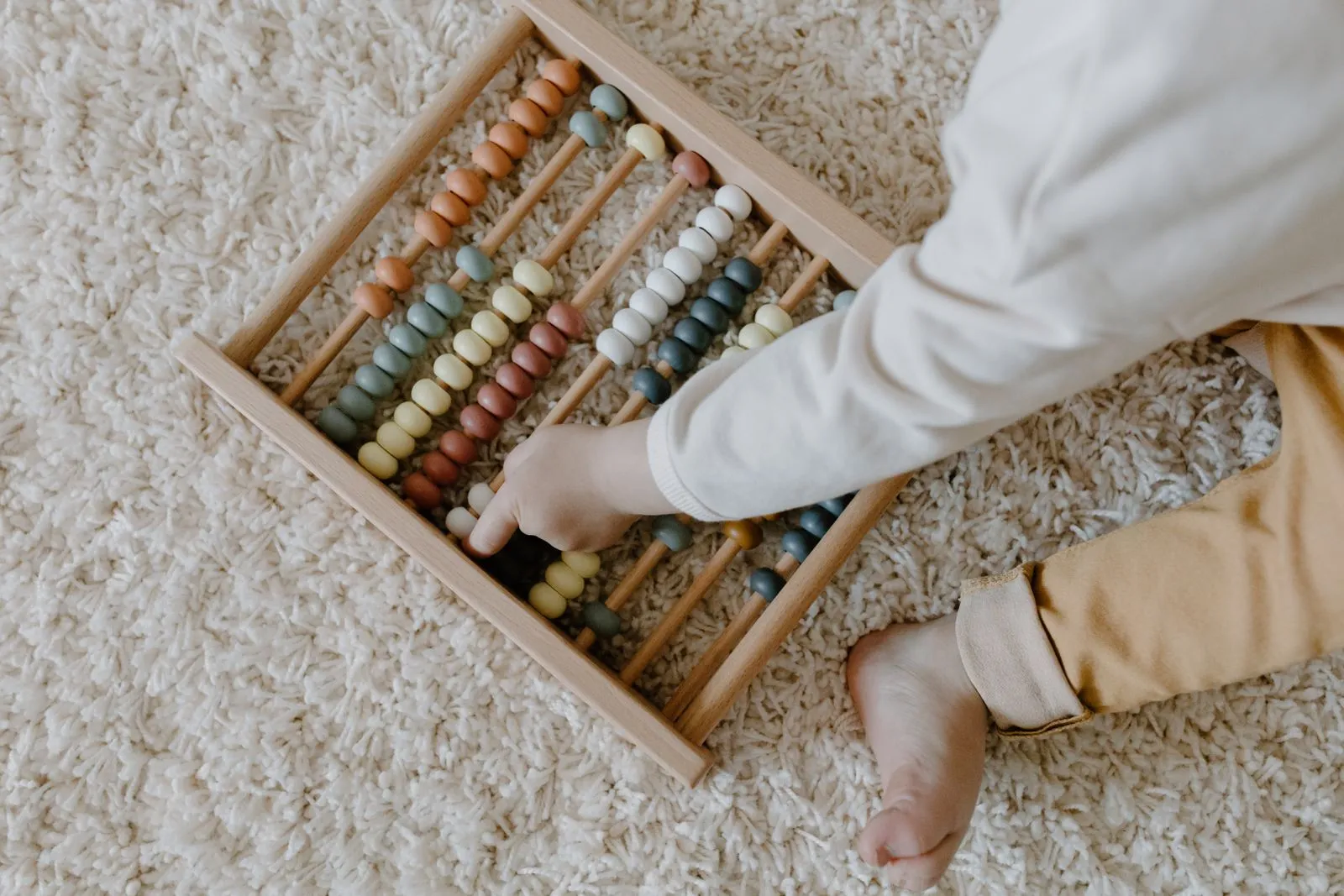
Young children learn language by connecting words with people, objects, and experiences. In a Montessori classroom, carefully chosen materials and time for independent work give children many chances to make those connections. A child might name an object, hear its name again, and use it during a conversation or activity. Teachers support this process with clear language and attentive listening. These everyday moments help children grow their vocabulary and express their ideas at a pace that suits them.
Words Meet Real Objects
Concrete materials give children something they can see, touch, sort, and describe. A child handling familiar objects can connect a spoken word to its meaning—for example, matching an object to a picture or grouping items by what they are called. These activities make new vocabulary easier to understand than hearing a list of words without context.
Teachers can introduce precise names for objects, actions, and qualities as children work. They may name an item, invite the child to find it, and then use the word in a short conversation. Children can also practice describing what they notice, such as an object's color, shape, or use. The goal is not to rush through vocabulary, but to make words useful in real situations.
Repetition Builds Familiarity
Young learners often choose the same activity many times. Each return gives them another chance to hear, recognize, and use relevant words. A child who repeats a matching activity, for instance, may become more comfortable naming the items and explaining where they belong. Repetition supports recall while allowing children to practice without pressure.
Adults can keep repeated practice engaging by using consistent, clear language and adding a small amount of new information when a child is ready. Instead of correcting every attempt, a teacher can model the word naturally in a response. If a child says, “Big ball,” the adult might answer, “Yes, that is a large ball.” This offers a useful language example while keeping the exchange warm and respectful.
Child-Led Work Encourages Talk
When children can choose meaningful work, they have a reason to focus, ask questions, and share what they are doing. A child may request a material, describe a discovery, or invite a classmate to join. These spontaneous exchanges help language serve a purpose: getting help, making plans, telling a story, or expressing an opinion.
Teachers support communication by observing, listening, and giving children time to respond. Open-ended prompts such as “What do you notice?” or “What would you like to try next?” can invite more than a yes-or-no answer. Children do not need to speak perfectly to participate. Patient adults can acknowledge the message, model helpful words, and leave room for the child to continue.
A Language-Rich Community
Language grows through relationships as well as materials. Daily greetings, shared meals, classroom routines, songs, stories, and conversations expose children to words in different contexts. Listening to peers also shows children how language helps people cooperate, solve small problems, and share ideas.
In a language immersion setting, children hear and use another language during ordinary activities, not only during a separate lesson. Familiar routines and visual materials can help them follow meaning as they build understanding. Families can reinforce this growth by talking together about daily experiences, reading aloud, and welcoming a child's attempts to communicate in any language.
Hands-on materials connect words to meaning, repetition gives children time to remember and practice, and child-led work creates authentic reasons to communicate. Together, these experiences make language part of the child's everyday learning. To learn how Riverbend Montessori approaches language immersion in Chattanooga, contact the school to ask about its classroom routines and program.